 MIT News Neuroscience
How the biggest Alzheimer’s risk gene disrupts the process of insulating neurons
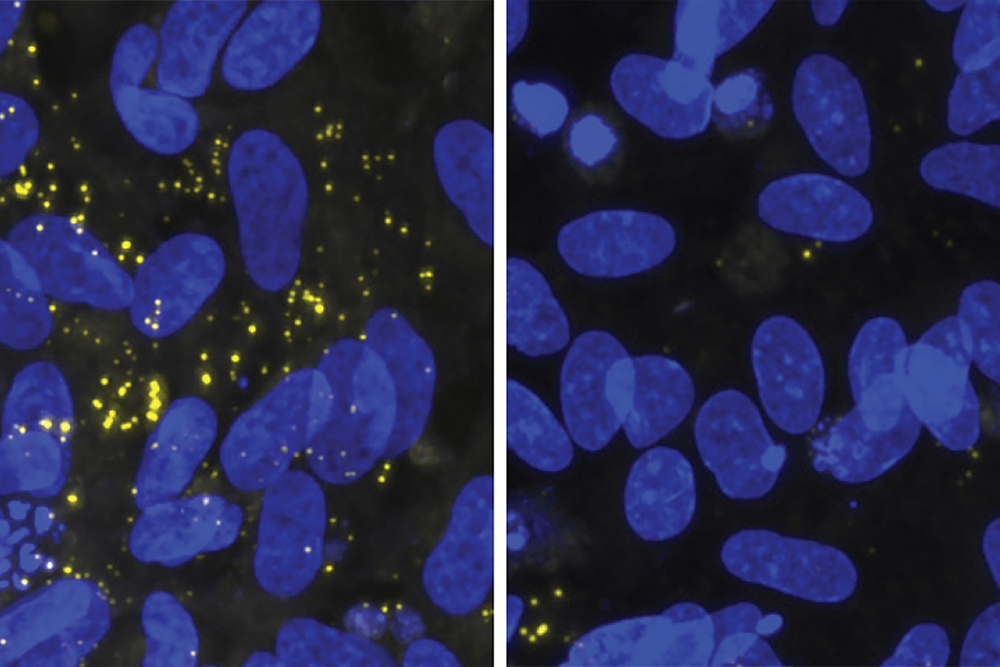
One of the main ways that the APOE4 gene variant, the biggest genetic risk factor for late onset Alzheimer’s disease, undermines brain circuit function is by disrupting the process of insulating neurons with a fatty sheath that optimizes their electrical transmission. A new study led by neuroscientists at the Picower Institute for Learning and Memory at MIT provides several lines of evidence to implicate a specific molecular pathway in that disruption, and uses that insight to demonstrate an intervention for preventing it in lab experiments.The study, published Oct. 15 in Cell Stem Cell, shows that APOE4 leads to a suppression of “Wnt” signaling in the oligodendrocyte cells that provide
…