India's Voting Rights Protests, Explained
Transcript
Machine-transcribed by YouTube. Expect errors in names, commands and version numbers.
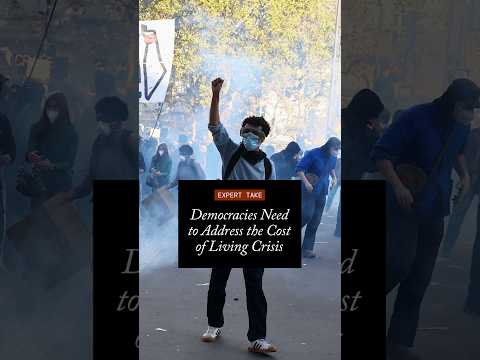
Just a few months after the summer's cockroach juna party protests pushed India's higher education minister to resign, opposition parties and activists have taken to the streets of New Delhi yet again. This time demanding the chief election commissioner step down. Protesters are upset about the special intensive revision or sir. It's a nationwide overhaul of voter roles launched late last year aimed at removing ineligible voters. So far, tens of millions of names have been purged from draft voter roles. Indie's Election Commission says the measure is necessary to cleanse the electoral roles of dead, duplicate, or fraudulent voters. The SR's opponents say the revision is arbitrary, opaque, and hurts voters who don't have basic documentation, especially poor people, women, migrants, and minorities. The documentation issue here is hard to get around. Even Indians who have voted in numerous previous elections are now being asked to prove their citizenship. But that's challenging because India doesn't actually have a universal document that proves citizenship. So what are the consequences? Beyond the potentially millions of eligible voters who now can't vote, the current SIR represents a fundamental reversal for Indian institutions. When India first gained independence, securing the right to vote was a priority. Historically, the Indian state has almost always aired on the side of widening the electorate, not shrinking it. So a country that once went to extraordinary lengths to ensure all citizens could vote is now busy placing new obstacles in their way. I wrote more about this in the Financial Times. Check it out to learn more.