 Hackaday
Unique Archeological Discovery Sheds Light on Neanderthal Wooden Tool Usage
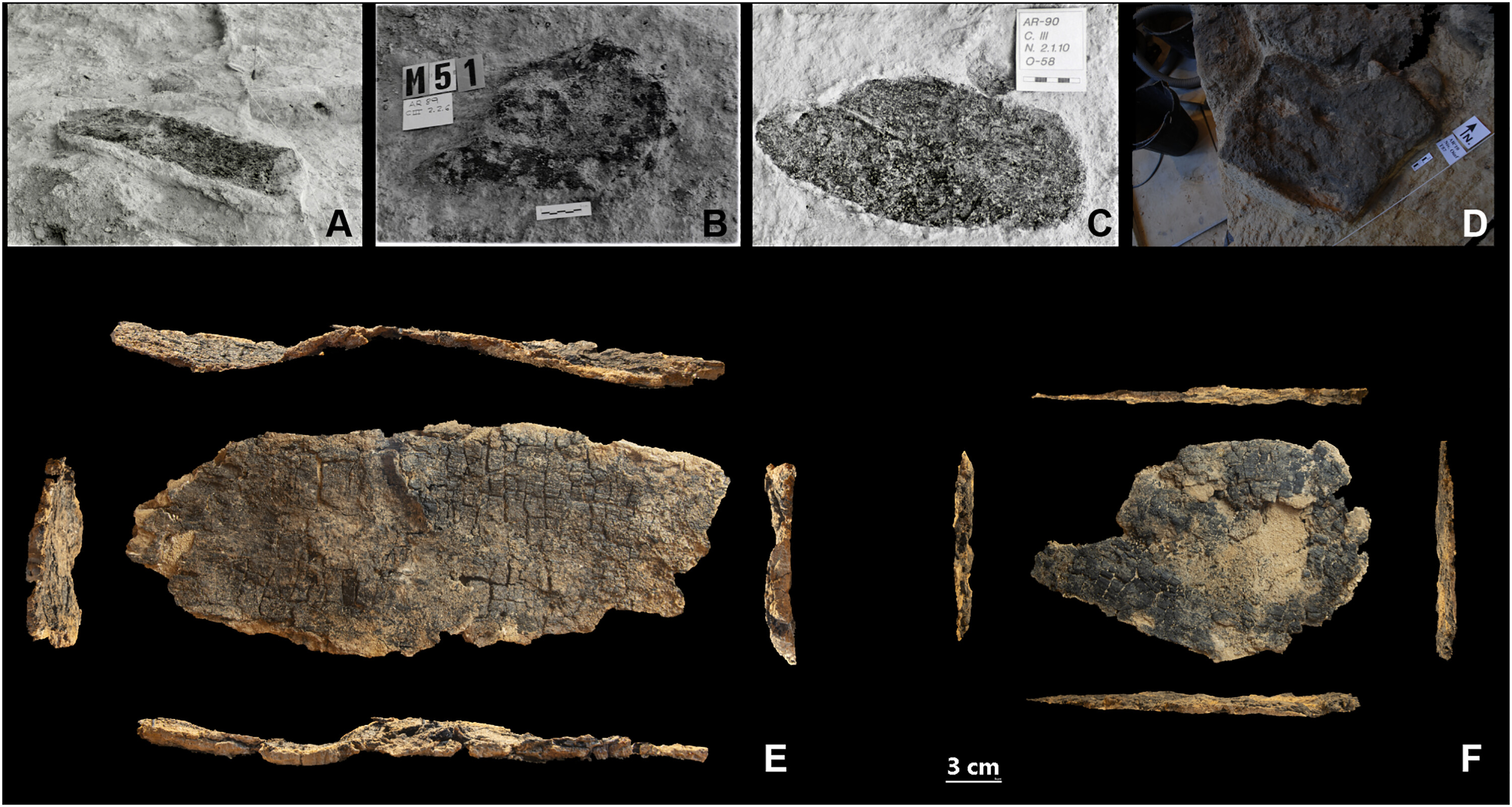
The Abric Romaní site in Spain is rather unique in archeology for one simple reason: the caves in its limestone-rich cliff have seen humanoid occupation for thousands of years. A thick layer of calcium carbonate-based travertine deposit has, over time, covered and largely preserved tools and other implements, including those made of wood. Over many decades of archeological exploration, 597 wooden imprints have been uncovered, with a recent research article by [Palmira Saladié] et al. detailing these findings. Wood is one of those archaeological artefacts that are very elusive due to their fragility, even though we know that wood has been used pretty much everywhere from the first day that a
…