How Stopping Pollution Nearly Made Things Worse
Transcript
Machine-transcribed by YouTube. Expect errors in names, commands and version numbers.
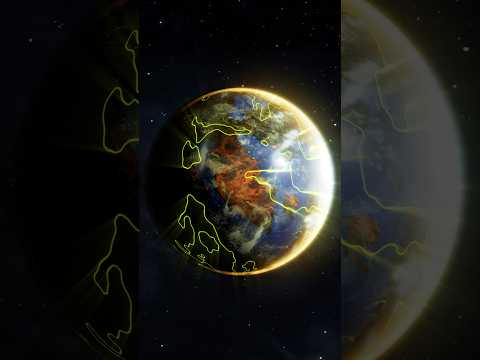
In 2020, ships stopped polluting as much and the planet got hotter. Here's what happened. Cargo ships used to burn heavy, dirty fuel loaded with sulfur. Now, all of it went up the stack and into the air over the oceans. Then, the International Maritime Organization capped how much sulfur ships could release. It was all about cleaner air, which is an obvious win. Except, global temperatures rose in a way that nobody planned for. >> [music] >> Those tiny sulfur particles have been acting like little microscopic mirrors in the sky. They reflected incoming sunlight back into space before it ever heated up the Earth. For decades, shipping pollution was quietly shading the whole [music] planet. When we pulled that screen away, the temperatures shot up. Nobody voted on that. Nobody had modeled that outcome. We had been geoengineering the climate by accident and we [music] only found out by switching it off. And to be clear, capping the sulfur was the right call because the pollution was killing people. Leaving it in the air would have been far worse, [music] but it's a warning about what happens when you nudge the atmosphere, even in a good direction. Eloise Marais, an atmospheric chemist at University College London, says geoengineering really hasn't been done at scale because there are so many unintended consequences. She wants careful, ethical forethought before we adopt it, which matters a lot right now because there are scientists who want to start doing this on purpose. So, here's my question. If we couldn't predict what happens when we stop polluting, how confident should we feel about engineering the climate deliberately?