SpaceX's Starship.... Becomes a Ship?
Transcript
Machine-transcribed by YouTube. Expect errors in names, commands and version numbers.
Starship flight number 13 absolutely
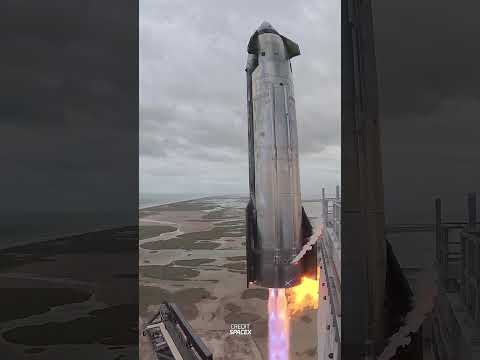
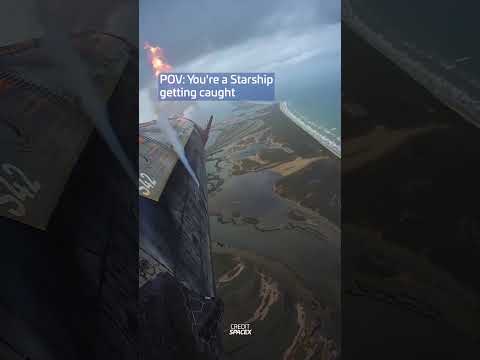
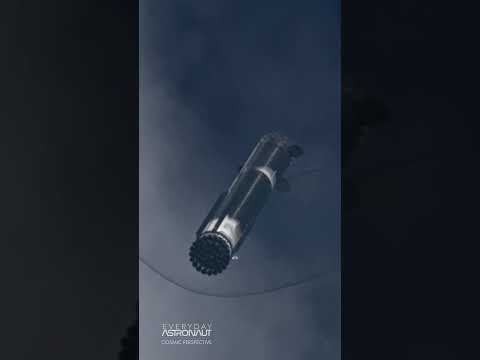
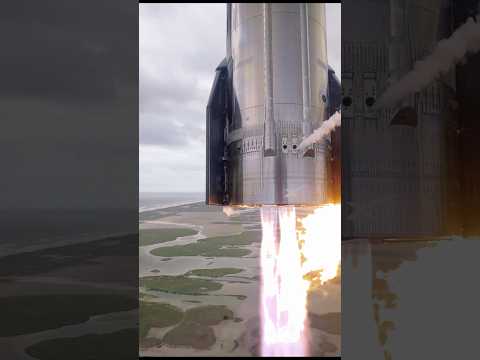
defied the odds today. After making it through re-entry in one piece, it lit its engines, descended towards the ocean, and as it touched down, of course, it fell over. But, it did not explode. This is a first for a soft landing of a Starship in the ocean. Usually, the force of the fall into the water snaps the tanks open, and we get a giant fireball. Instead, it settled gently, and we get some fireball as it dumps excess propellant from its tanks. We were then treated to many close-up shots from the drone, from the recovery ship, as it examined the heat shield immediately after recovery. The way the Starship had fell over was onto its back, thereby protecting the sensitive tiles on its belly. These are the tiles that basically have gone through re-entry, and now we got to see up close how they looked. We can see white streaks that flow away from small areas of tile damage, but generally, it looks great. The on-board cameras were also working correctly, as well. So, we got the shot from the fins as Starship number 13 put the ship in Starship, and some shots from inside the skirt showing that the engines are all largely intact even after that landing in the water. I'm pretty sure the engineers at SpaceX are going to be super happy to investigate this heat shield and document the results, and perhaps this will help them improve their heat shield going forward. And while I think that it would be awesome to tow this to shore and erect as a monument to space flight, uh I don't know, it's thousands of miles away from the shore. They might just sink it in the middle of the ocean, which would be a shame. After all, it had a far more successful flight than anyone imagined. However, the same level of success was not enjoyed by the booster. We did get this marvelous shot from the booster as it descended at transonic speed. Again, you can see the sun shining through the plume that it left behind a few minutes earlier.
However, at the moment of truth when it had to relight the engines for the landing burn, a number didn't light and then a number stopped. And that left the booster without enough thrust to arrest its descent and instead it smashed into the ocean at a speed probably about 100 miles an hour.