 The Robot Report
Your Robot’s Safety Functions Already Work. What If the Input Lies?
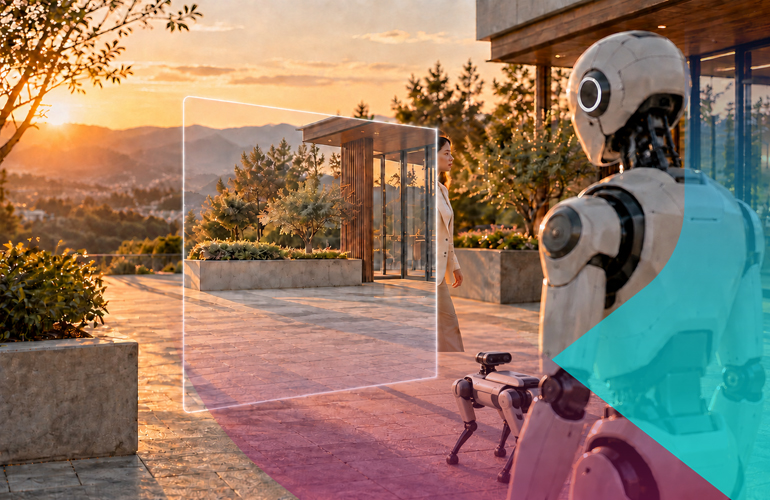
A robot can follow its safety rules and still act on manipulated information. See what this means for robot safety and how teams can strengthen their testing and evidence. A mobile robot slows for someone in a hallway. A collaborative arm eases its movement as a worker approaches. A humanoid pauses to let a person pass. Each response depends on information about the robot or its surroundings: a distance reading, a position estimate, or a stop signal. But what happens when one of those inputs is wrong, and the robot still responds exactly as designed? The mobile robot reads the hallway as clear while someone is still there. The arm estimates that the worker is farther away. The humanoid does
…