Starship's 14th Flight - Orbiting Safely?
Transcript
Machine-transcribed by YouTube. Expect errors in names, commands and version numbers.
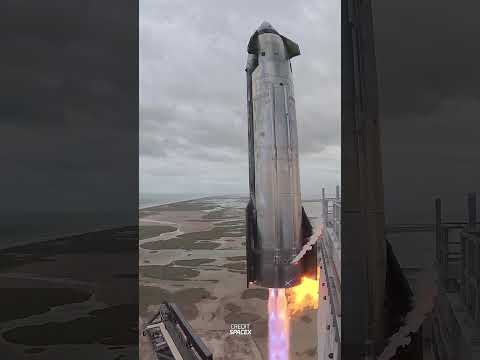
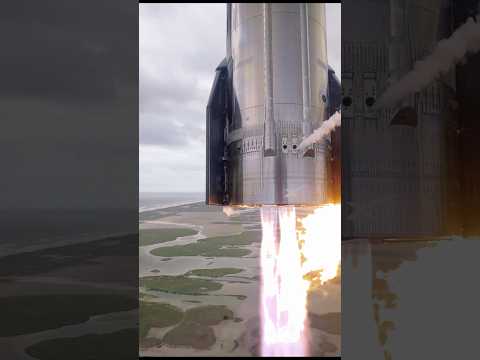
SpaceX are ready to launch Starship Flight 14. The launch window opens on September 28th at 7:15 a.m. Texas time.
This is going to be a return to an early morning launch. So, what are the highlights that we are looking forward to on this flight? Well, the big news is that this will be the first one to actually go into a proper orbit rather than remaining suborbital. Previously, SpaceX has been very careful to make sure that they don't put a 100 ton chunk of steel into orbit with no way to reliably bring it home. And so, this flight could cover six orbits, almost 10 hours. But there are many moments where they might cut this short where the controllers are going to have to make a go, no go decision. The initial launch will take about 9 minutes, and it will put the spacecraft onto a suborbital trajectory. The controllers will then have 15 minutes to decide whether it's safe to continue onto orbit. If they don't fire the engines, it'll drop into the landing zone in the Indian Ocean as before. If they do choose to go to orbit, they'll almost immediately begin deploying the Starlink satellites. And these Starlink satellites will finally be able to stay in orbit and get photographs of Starship during daylight.
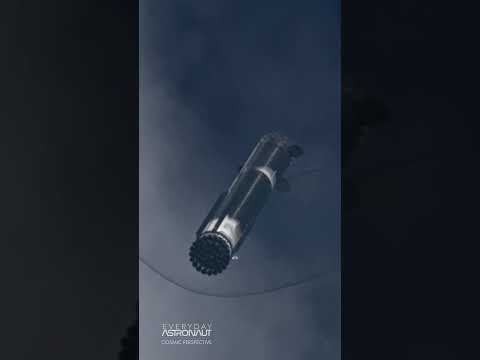
After this, the engineers will have about an hour to decide whether to bring it home early. There is a contingency landing spot just north of Hawaii. If they choose to do this, they would have to make a re-entry burn roughly over the Philippines. And then after that, there are no contingency zones as far as I can tell. They will have to stay in space for another four orbits, another 6 hours, hoping that the vehicle remains in good health so it can perform its planned de-orbit burn, probably somewhere between India and China. This may well be visible to observers on the ground. It'll then perform a long re-entry and proceed towards a landing about 1,000 mi west of Chile. And again, we fully expect it to explode upon landing, but maybe it doesn't. SpaceX had been hoping that they would get permission for a return to launch site and tower catch, but that will have to wait for future flights.