The "Kill Zone" on Ukraine's Front Lines
Transcript
Machine-transcribed by YouTube. Expect errors in names, commands and version numbers.
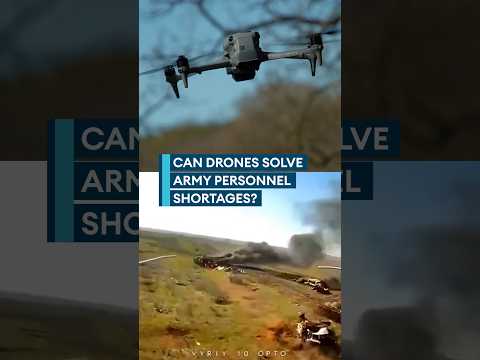
The challenge for Russia right now is that it is trying to take Ukrainian territory >> [music] >> and the way it's doing it is by pushing in dismounted infantry and what we call the kill zone. That's a area of [music] between 20 and 40 km between where both
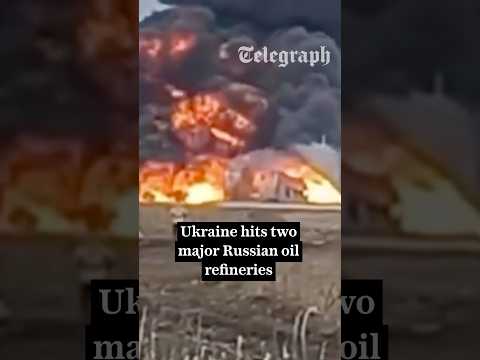
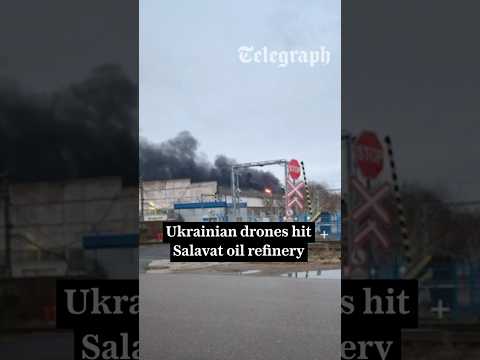
sides forces are mostly deployed to. >> It's saturated by drones and artillery shelling and it makes it really difficult for [music] any people or vehicles to move along the front line in Ukraine. With neither Ukraine nor Russia able to generate large breakthroughs along the front line in the battlefield, >> [music] >> both sides have increasingly relied on a long-range strike campaign to hit targets well beyond the front line. >> What's happening right now on the front lines in around the kill zones is largely the Ukrainians playing defense. >> [music] >> But where the Ukrainians have decided that it makes the most sense to conduct offensive action is by targeting the ability of Russia to wage war. And that is long and medium-range strikes against their logistics, against their defense industrial base and the Russians use to wage war and to support efforts to wage war, the Ukrainians are going after right now and in many ways actually quite effectively. What we see with CSIS data and analysis on Ukraine's short, medium, and long-range strikes against [music] Russia is a big cluster of Ukrainian strikes uh just over the border and also in Russian-controlled areas of Ukraine like Crimea. What we also see is a big increase in [music] medium- and long-range strikes. So, we can see cities like Moscow and St.
Petersburg [music] have been hit. We also see long-range strikes thousands of kilometers away like [music] during Ukraine's operation spider's web using large numbers of drones to strike [music] Russian airbases that have strategic bombers. What we've seen is Ukrainians really build up their capacity [music] in missiles and drones in the absence of an air force indigenously by importing [music] components for those, putting them together rapidly, and then conducting [music] strikes against Russian targets.