 MIT News Neuroscience
Injectable nanodevices could provide effective treatment for drug-resistant glioblastoma
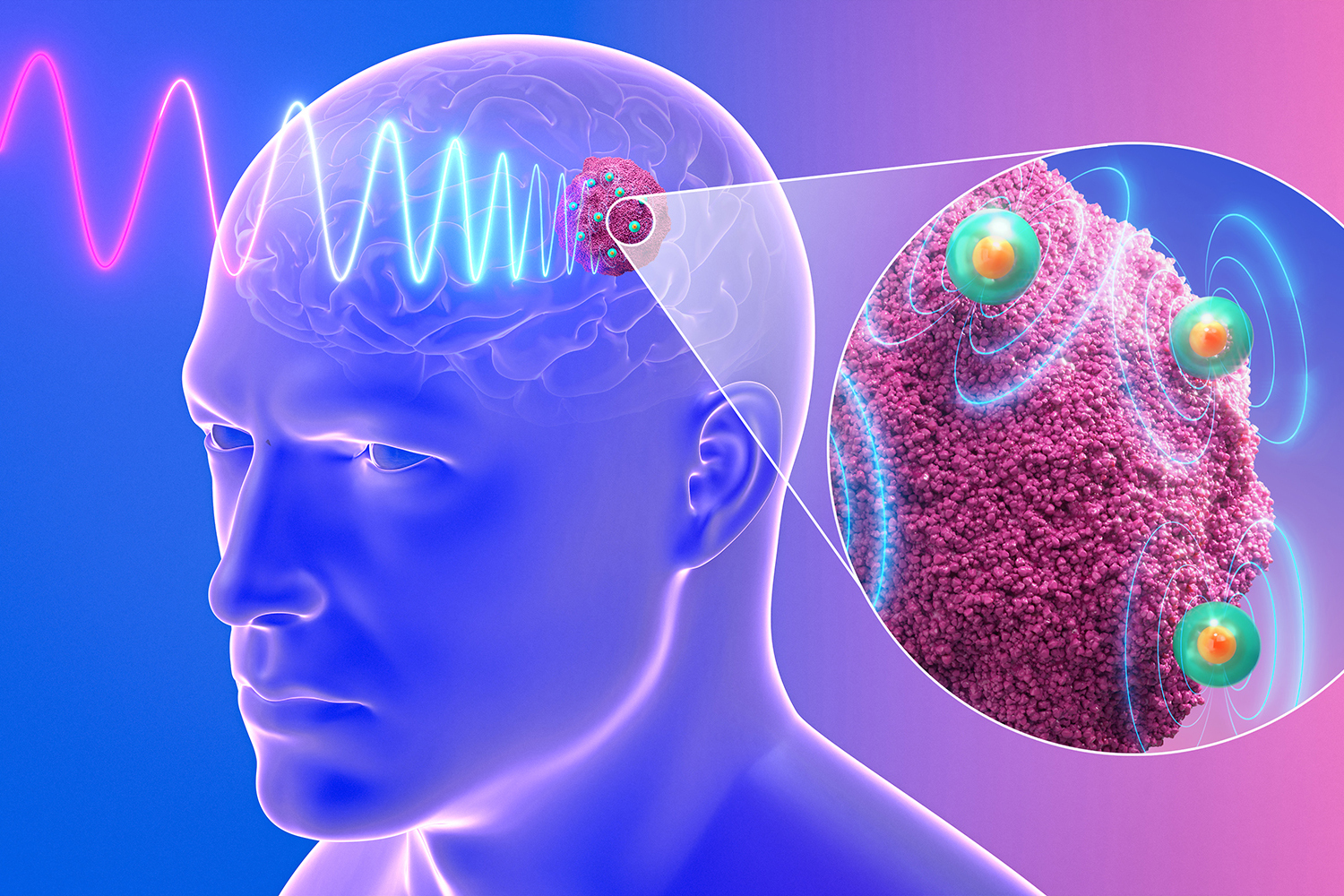
The brain cancer glioblastoma is one of the most aggressive and treatment-resistant cancers known to medicine, carrying a median survival of just 12-15 months, even with the best available care. Now, researchers at the MIT Media Lab have developed injectable nanoantennas, each about one-hundredth the width of human hair, that can be magnetically activated to create localized therapeutic electric fields that target and kill brain cancer cells without damaging healthy brain tissue.“In laboratory and animal studies, this approach significantly reduced tumor growth and extended survival without detectable side effects, highlighting its potential as a precise and safe brain cancer therapy,”
…