What Makes Protests in Democracies Work?
Transcript
Machine-transcribed by YouTube. Expect errors in names, commands and version numbers.
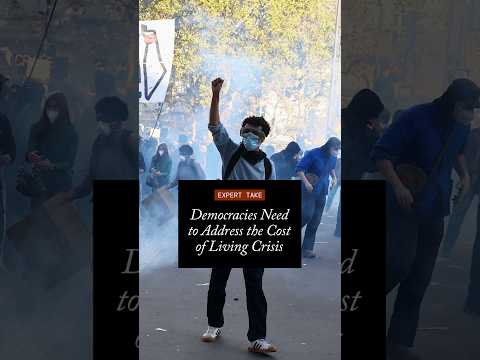
Mass protests have toppled many dictators around the world. But can they work if your government is not a dictatorship yet? I'm Saskia and I study why democracies fail and what we can do about it. My research points to two factors that make protests in eroding democracies work. First, it's not only about how big the protest is. It's also about who shows up. A protest gets more threatening for your government if it includes people who typically stay home or maybe even voted for the government in the past. Second, protests can often give you some short-term wins, like stopping a bad policy or bad law. But in a democracy that still has free and fair elections, they probably won't get rid of a bad leader. At some point, the crowd in the street needs to turn into voters, and voters need a political alternative that they are excited about.
So, in countries where opposition parties are weak and unpopular, it's often very hard to translate protest energy into an election victory. So in short, protests can be effective, but they need to be more than just an outlet for frustration and anger with the government. They require discipline in messaging and organizing to make sure that you're reaching the right people and building a political majority.