 The Robot Report
How better grippers can unlock physical AI
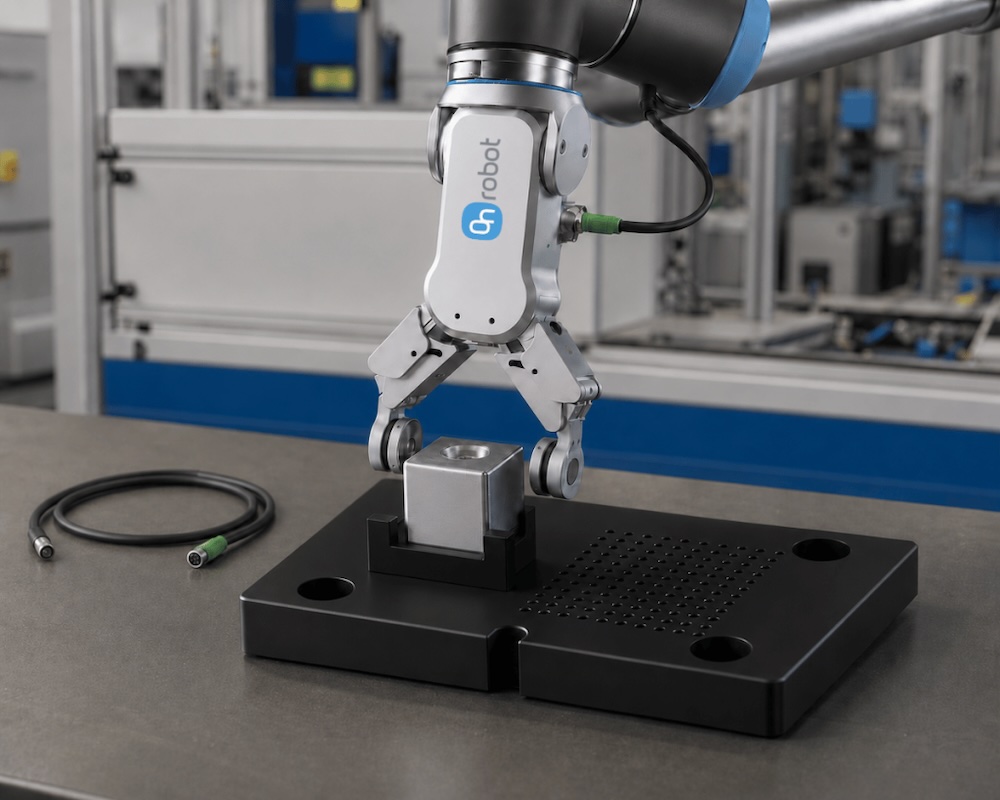
Models can generate actions, but hardware must execute those actions. | Credit: OnRoot Physical AI promises robots that can perceive, act and adapt in the real world with far less task-specific engineering than traditional automation. It’s a compelling proposition: robots powered by AI models trained on vast amounts of data, capable of improving over time and operating effectively in far less structured environments. But how do we get there? As AI systems move from the digital to the physical world, new requirements emerge. Intelligent models and policies remain essential, but they are only a part of the equation. Robots ultimately interact with the physical world through grippers, sensors
…