Hormuz and the Price of War
Transcript
Machine-transcribed by YouTube. Expect errors in names, commands and version numbers.
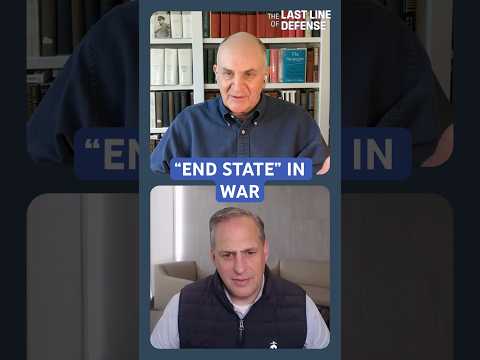
Let let me go back to something you said, Rob, about uh what Iran's looking for out of this. I mean, I think it's uh you gave us a good explanation of the extent to which control of the straits provides them with the deterrent uh that they can use to defend themselves against future attacks by the United States or Israel or anyone else. Um but but what exactly does control mean? I think what matters to them is not so it's it's control, but it's sort of the reverse. It's to be able to say we can close it at will. It doesn't mean we'll close it. We're not going to exert our control every day, but you need to know that at any moment if we won't, we could interrupt the traffic through the straight of foremost. And that's and >> they're kind of demonstrating that now.
>> Exactly. And again, I my question to them if if >> some an Iranian were sitting where Steven is is sitting, I would ask, >> why do you need to prove it? Didn't you prove it before? And so yes, if a few ships are going through in the southern corridor, >> people don't are not stupid. They know that tomorrow if you want to bomb them, you can. But I think it has become so critical for them not to be seen as having given up and lost any of their leverage. They want every American yesterday, today, tomorrow to know you cannot get away with war against us without paying a heavy price. You're stronger than we are militarily. You could crush us. You're going to pay a price. And we're prepared to sustain our price longer than you're prepared to sustain yours.