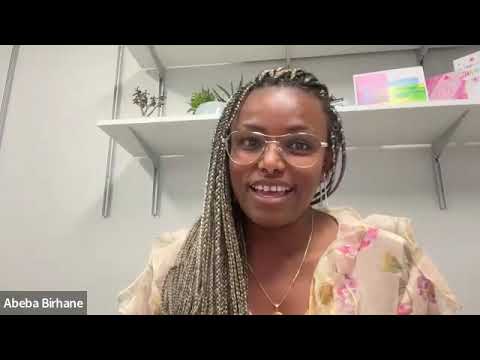
A Deep Dive Into IVOs with Fathom's Bri Treece
Transcript
Machine-transcribed by YouTube. Expect errors in names, commands and version numbers.
[music]
Welcome back to the AI policy podcast. I'm Alukmetha, director of the Wadwani AI Center. Today I'm excited to welcome Bri Trice, co-founder and president of Fathom to the podcast. Bri previously served as the chief operations officer at the Center for AI Safety, a San Francisco based research lab that works to reduce risks from AI through research, field building, and advocacy. Bri, welcome to the podcast. >> Thank you. Look, I'm happy to be here. >> Yeah, we're we're glad to have you. Um, I want to start uh with a little bit about Fathom. So, this isn't the first time we've had a Fathom founder on the show. Uh longtime listeners might recall that we hosted co-founder and CEO Andrew Freriedman back in April 2025 for a conversation about AI governance. Um but some of our newer audience members might not be familiar with the work Fathom does. So I wanted to start there. Um why did you and Andrew see a need for a new kind of AI policy organization, one that is not a think tank or an advocacy group? um what you know what does Fathom do and what do you see what role do you see Fathom playing in the broader policy ecosystem?
>> Yeah, it's it's a really good question. A couple of years ago when we were founding Fathom, there were two pretty
loud voices in the AI policy and governance conversation kind of dominating the the conversation. and one was very optimistic about AI, really
looking to take advantage of the upside and the innovation and um had this kind of accelerationist deregulatory approach and often referred to as kind of the letter rip approach. And then there was this other side of the conversation of folks who were really more focused on what they um were calling catastrophic or even existential risks that this technology could bring. And they were almost on the opposite side of this saying we really need to, you know, pause, slow down, or or even stop until we have a better read here. And we were seeing this really big middle space that
wasn't really getting much oxygen or much um uh of the space to say we
believe AI is going to be incredibly transformative. We think we're going to need a lot of new ways of how we as a society make this transition successfully. We might need new institutions. We might need to innovate on infrastructure, how we make decisions as a society. But really our role at Fathom is to create this table where society has the voice and the say in in
how we make this transition. We often talk about um tech belonging at the table but the table not belonging to tech. And our work is really to bring those voices to bear. Take the best ideas that are out there and turn them into reality. We are um a bunch of of policy experts and tech entrepreneurs. So we are well positioned to to move some of the best ideas and then actually build them into the world. Uh our our first work really started with AI governance. We thought that that made a lot of sense of where to focus some of some of our efforts as we think about what is it that we're going to need in this new world shaped by AI. And that really led us to this concept of independent verification organizations that we've been shaping up and and promoting and and really pushing for the the past couple years. We've been able to move this independent verification or IVO framework from concept to legislation in a few states. We have a study bill in Virginia. Connecticut is um running a pilot. We have it moving in a few other states. And then more recently, the Bipartisan Frontier Act now mirrors much of the IVO architecture at the federal level.
So, I want to get um in a little bit more detail about the IVO concept and sort of how it works and um why you think it's more important. Before we do that, um you said you you positioned yourself sort of in the middle. So, in the middle between this group that's really concerned about existential safety and accelerationists. Um but but in in one one sense, I totally understand why you're saying that. In the other sense, it's not the middle as in you're you're in between those spaces. you're working in both of those spaces, right? Like the work you're doing is engaging uh with existential risk as well as sort of facilitating adoption um and trust trust in AI as
well, right? >> Yeah, I think that there are really valid stances and and good thoughts coming from those voices and those camps. And you're right, we're not saying we're sitting squarely in between these and not touching these. These are actually part of the discussion and the conversation. So when I I refer to the middle, I'm really thinking about broader society, the economy of today, leaders of civil society, leaders of our our Fortune 500 companies, creating the space for them to have the um the voice
in this AI policy conversation which um
includes uh the variety of of viewpoints. >> Okay, that's uh great. So like I said, I really I want to dive a little bit um deeper into the concept of IVOS. So this is something you've taken particular interest in at Fathom um and you have a you have big initiatives in the works around um this concept. So the general idea is that um the government would set AI safety standards and then there would be independent organizations that would evaluate um AI technology models or
systems um in terms of whether they're meeting those standards. Um, so I'd love if you could walk me through the argument in a little bit more detail. So why do we need a third party solution to AI governance? Why IVOS? Uh, for example, why not just have the government do this directly? Um, so maybe we can start there. Yeah, first I'll start with we have done this before as a world where governments and
the private sector have partnered on navigating emerging technologies, overseeing complex systems. There is a
real capacity consideration when we look to the government to to solve all of this just within their walls. Um, we did this with electricity railroads. The global financial system has this built all throughout it. Um, the common thread through all of this is we don't allow companies to grade their own homework when it comes to something that is this powerful. We really do need somebody from the outside from an independent perspective telling us if if this is okay for us to use. And so the IVO model takes these learnings from the past and adapts it to the AI moment because it does have some unique considerations to it. We're thinking of this as a whole economy infrastructure for independent verification or what we'll often refer to as assurance um and the accountability that enables people who are using this technology to know that they can actually trust it. So right now the innovation is moving very very quickly forward. the capabilities are moving very very quickly forward but adoption and public trust just isn't keeping pace with that um there's a lot of work that has gone into the design of these IVOs um not just by Fathom but many others um Dr. Julian Hadfield uh
really wrote the the blueprint for this idea seven or eight years ago in her regulatory frameworks paper and then there are others Dean Ball who was at the OSTP now at OpenAI has done a lot of thinking and shaping of this idea. So people have really been taking the learnings from the past and thinking about the new infrastructure we need today. And the IVO model is really putting the focus on getting competencies where the strengths are in our system. So the labs can continue to build, compete, innovate, push that capability frontier while the government establishes what good outcomes look like. Our government is our democratic voice. It does this for us all of the time. It decides what's okay for the public sector to do, for private companies to to do, what's safe for consumers. So, they're pretty good at saying the what, but the private sector is really good at innovating on the how.
So as we think of this being an ecosystem of independent verifiers, these are private actors who are held accountable to the standards that the government is is setting for them. But they're really competing against each other for who can do this best, who can do this most efficiently, how are we actually achieving these outcomes that the government has set. And this ecosystem of these independent verifiers is is a pretty um important aspect of
the concept. First, we do need a lot of innovation here. There's new science, new tooling, new monitoring and auditing capabilities that we need for these models and systems. And competition can breed both this innovation as well as the accountability aspect. So if an independent verifier isn't hitting their mark then the government can remove its license and there will be others who can can start to fill that space. And the other piece of the ecosystem that's uh the reason the ecosystem is so important is AI is a general purpose technology. So it's going to roll into our schools at the same time as it's rolling into our critical infrastructure as the same time it's rolling to consumers, adults and children alike. And so we don't have what I would consider to be the luxury of time or the option to to sit and deal with each specific use case one by one.
We really do need this whole field of science and innovation to grow um together um and to keep pace with the capabilities and the adoption. We're going to learn a lot as this as this moves into the variety of of use cases in in our world. And so we do need this. we need a field of experts um who can verify against the the range of use cases. >> So just now you talked uh you mentioned a couple times that a lot of what you're doing in this space is relying on drawing lessons from the past. Um so one
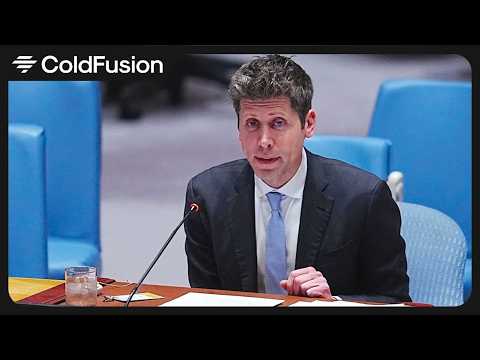
of I think one of the the interesting things about working in this field is that there is a lot of data. there are many many different kinds of IVO setups that the federal government has um instituted for for various technologies. Um so that provides a lot of data but they're also all just a little bit different and so when we see proposals in the space we often see people sort of using an analogy of uh of a specific model. So, you know, Sam Oldman at OpenAI um mentioned the IAEA, the um
International Atomic Energy Agency. Um more recently, Dennis Hassabis at Google DeepMind mentioned the possibility of modeling something over uh after FINRA, which is um a financial regulator. I'm curious sort of um what some of your highle lessons from from the past are and whether you sort of think there's a
particular model that's um appealing here or how you think about sort of building on the things we've learned from our attempts to regulate technology in the past. >> Yeah. I I think a thing you're calling out which is true is there isn't a perfect historical analogy here because of some of these unique aspects of of AI at being general purpose how quickly it's moving it's uh you know we we call the frontier companies labs because it's moving from research into the real world in in basic real time. If you if you
look at health care for example, a research breakthrough takes 17 years before it becomes a standard of care used in the world. And now we can talk about how that's not good enough, but it speaks to the systems we're accustomed to from um new technologies going from a
lab and into the real world is we typically have a lot more systems in between that and and we don't have that luxury with AI. It's it's getting innovated and and pushed out to all of us. And so these unique aspects of where
we are with AI means that there's no perfect analogy, but we can take the lessons learned. We have great examples of the government setting outcomes and the private sector being able to figure out the best way to innovate and achieve those outcomes. I think um how we manage a lot of the pollutants in our air work that way. We have examples of the private sector just stepping in and figuring out what safe looks like with Underwriter Laboratories and and the the light bulb. Um, electricity was also an AIish moment where it was going to be the thing that changed homes and businesses and how we lived our lives.
And people weren't adopting it because they didn't trust that it wasn't going to start fires and kind of rightfully so. It took some engineers coming in who eventually started Underwriter Laboratories to say, "Yeah, we actually need a little bit new te technology and science here to figure out how to do this safely." And it took them a decade from recognizing that to actually getting their first UL stamp in and UL standard. And so we have to kind of shrink that timeline, but the government ultimately codified those requirements and said, "Yep, before we put light bulbs out, we got to we got to hit this moment." And so there are bits and pieces throughout um history that really lead into IVOS, but it really is it's an innovation on the models. And I think some of the pieces that we know are really critical are what we've covered there. These independent verifiers need to be accountable to the government.
They they can lose their license if they're not hitting the marks they they say they're going to. And it does need to be competitive for all kinds of reasons of of not just keeping pace but of of keeping a system that can be a race to the top um versus kind of putting downward pressures on whoever's the easiest is is the one who gets chosen. So one more question about the mechanics of how this might work. One of the unique things about AI I think compared to other technologies is just how fast it's developing and sort of the the pace. Um, you know, if you work in AI policy like you and I do, it just feels like there's a new development every day. Um, certainly like, uh, the world 3 months ago feels very different than than the world now.
So, I'm curious about some of the thinking that Fathom has done about this pacing problem and sort of how we can make sure that these independent organizations can keep up with what's happening um, at the frontier of the technology. Yeah. Um I mean every day I kind of wish
we had a lot of this in place 10 years ago, right? But the the next best time is to to do it now. Um I I think this is
a little bit of one of the the innovations that we think of in in IVO land is this looks really different than what we might think of as an annual audit where an external party comes in, takes a checklist and runs through and says, "Yes, this looks good." the IVOS have to be um particularly with frontier models where the novel capabilities and novel risks are coming to light probably need to be a little more embedded in the process of pre-eployment um being able to work within these labs in a way that is checking these systems before deployment and well past deployment. And um this is some of the new tooling that honestly we have examples of really great innovation in this space of how are we actually building out better capable monitoring tools that help us you know stay within the guard rails that that we're defining or what we want to stay within.
And this is a little bit more of of a hip-to-hip kind of thing versus an
in-n-out kind of audit. And that really is built into the the verification system itself and in its design. And I think the pre-eployment aspect is you know we just saw an example of it uh last week two weeks ago um with you know open AI and hugging face where a risk occurred prior to the model being deployed out into the world. And I think um we have to we have to face that that straight on and say this is really needs to start before the models are are actually you know turned on for the world from these labs. So, I wanna I I want to build on a couple of things you've mentioned. Um, which is that, um, you know, for a lot of nonprofits who work on, you know, relatively wonky issues, they have to spend, um, years and years sort of building consensus and building awareness of the issues they're they're working on before sort of a policy window for action opens up. um and and fathom I'm going to attribute it to um your your precognition here and recognizing uh uh important issues um
that there there is a there's a moment happening around IVO. So you mentioned that this is gaining traction at the state level um in a number of uh state bills that it's being considered seriously by Congress and then we we've also mentioned that um there there seems to be some growing consensus around this model um from the labs themselves. So all of the labs uh have talked about this to various extent and made proposals around this. Um and so I am um
really curious from your perspective like what is what is driving this this
moment? What what has led to this? Um why do you think that that um IVOs are gaining so much traction right now? Yeah, I'm kind of laughing because I can recall meetings, you know, 12, 18 months ago where people just looked at me like I had snakes coming out of my head when I when I spoke about this. And um honestly, I I am delighted that at this
moment I independent verification, third
party evaluations are just part of the the inevitable like the obvious. Yes, we have to do this work. And I I really think IOS are taking off because the solution has met the moment. Um
years ago there there was sort of these theoretical ideas of maybe AI was going to need some new type of policy but we didn't really know and there was enough kind of vagueness of beliefs in the system and and people who really believed it strongly and people who didn't believe it strongly enough. Um, and really that theory of of maybe AI will create some risks that need uh a new policy mechanism, things that, you know, aren't really met with the laws we have on the books um is just come to light through mythos and and fable and um people just becoming more aware of of
the technology. And so I think this is all kind of built up to three things converging around this which is um just that that the model capabilities have advanced to the point where the risk stopped being theoretical. um we've kind of moved on from wondering do we actually need a new governance um mechanism here for AI and so that's just
now a thing of of a reality a more shared reality we have um second consumers and the public have made their voice clear and heard enterprises that are working to adopt this technology are deeply feeling the lack of governance infrastructure and and starting to to call that out and then third you mentioned the labs themselves. Um, they've started to call for this because the conversation has really shifted for them from trust us to to verify us. They're they're already in this trust deficit and and they're starting to feel that and they're also looking for the right solution that can allow them to to continue to innovate while also helping them make sure that they're doing it in the way that that works for the world. Um, and so once all
of these things kind of come together and you go through the exercise of how are we going to govern this technology, what what are we going to do at this moment? The reality is is you just land in in something that hums a lot like IVOS. We need a a science of of safety
to keep up. This can't be grown within the labs. The government does not have the capacity to handle this on their own. We need a system that can address a variety of use cases and risks. We need clarity on what good looks like while also allowing a system that can keep pace with the new learnings and the new capabilities and the new applications and the new use cases. And
there are questions around well how do you do this? Well, some of our earlier conversation who watches the watchers, how are we going to judge the watchers? and people may kind of land in slightly different territories around around the implementation questions of this, but really uh in spite of all that you you just land in in IVO territory. I I think what we're seeing is this idea is hitting the moment. Um it's gaining momentum just as like a real necessity to to meet the to meet the moment of AI.
One thing that I think we've been doing in this conversation, it's very easy to do when talking about AI is we've kind of like defaulted to talking mostly about frontier models and frontier risks and these really really big risks associated with AI around biological weapons or cyber security risks and and I think there are good reasons for that. Um and that and there are good reasons why a lot of the conversations on AI governance focus on these types of issues. Um you know part of that is like
that the AI companies themselves seem to talk about this um a lot um mostly when
they talk about safety they seem to focus on these issues um but when we think about AI more broadly in practice AI is presenting all sorts of risks um including lots of risks that don't live necessarily the frontier in this way um so risks like defakes children's safety issues sort of we have we have agents now and and they present all sorts of new issues like what happens when agents start interacting with each other. Um the possibility of sort of unexpected interactions. And so I um in in in many
ways I think people who are using AI encounter these sorts of risks far more often and more directly than the the risk we've been talking about up to this point. Um, and so I think Fathom does think about these broader set of risks and is thinking about IVOS as addressing uh this broader set of risks. Um, so I'm curious sort of your thinking like why why shouldn't IVOS just focus on the frontier? Um, because those seem like the biggest uh biggest risk, the things that potentially have the most irreversible consequences. >> Yeah. First I I do think we should focus on the biggest models. they're the tip of the spear. They bring the novel capabilities, the new questions and risks that we do need answers to. And so to me, it's not a a or uh but it's an
and um because only doing that is far
from answering all of the questions that we actually have, all of the risks that we're uh experiencing and and will continue to experience. And this is just a matter of the risk doesn't live at the model layer only, right? It lives in how
the entire system gets deployed in a specific context by organizations that
currently right now are are holding a lot of the accountability and the liability around this and they don't have a way to certify this model is safe for the purpose they're using it for. We just we don't have that infrastructure for them yet. Um and so focusing on the
the model is is really important and we
need to think about it in all of these other contexts and I think um this is
what we you know we were discussing that the AI assurance ecosystem. So I talk
about it as AI assurance because there are so many great organizations doing this work out there. Some are working on the frontier and many are working across a variety of, you know, cyber and critical infrastructure, schools, all kinds of other other things. And um they consider themselves assurance providers. They're getting in, they're measuring, they're assessing, they're providing insight into whether this is is safe or not. And really, this spans the entire stack. So this goes from pre-release model testing to ongoing assurance. And
um this is why we really think of this as needing that that broader ecosystem even if we take some of the more catastrophic risks cyber security that you know the the frontier models can do so much to to have all of the um guard
rails built up around but that then gets moved into critical infrastructure healthcare banks a school system. They also need to make sure that that's going to work for them and they're keeping pace with the cyber security best practices and we know that these models evolve over time and fine-tuning changes things and so it really has to be a
whole ecosystem here in order for us to have this trust infrastructure across society and and our economy.
So I know that as part of your work um you know you you don't just think about the the ecosystem broadly but you engage uh with um companies at every level of the ecosystem to sort of make sure you understand the demand signals and the needs. Um so I'd love to dive into some of the data from from the work you've done. Um I know you talked to Frontier Labs but also developers and deployers and users. um what are you hearing from them particularly around governance, safety and responsible deployment issues? Um what what are they looking for? How are they feeling about IVOS? What what kind of IOS or what kind of structure they would like to see?
Yeah, I think as as we look out to this broader ecosystem, one of the first misconceptions that I want to clear up
is sometimes you'll hear when you talk through the IVO idea is that well nobody
can do this work. There is just this is just isn't possible. And that's just not true. We are talking with upwards of 200
organizations who are doing this work. As I mentioned earlier, some are focused on the frontier, but many are focused on uh school systems or children's safety
or um you know utility safety uh with AI.
And so there is already a broad ecosystem working here. What they really
need is a clear demand signal for the work that that they're doing. um they
they kind of want the governments to hold them accountable and and legitimize their work. So this legitimacy would just give them clear value for the market. It just helps things move along much more quickly versus you know trying to to create a new market uh as as individual players here. Um, and then I
think the the other voice that has is um
not so surprising when you think about it but often isn't heard is uh what we often refer to as the deployers. These are often enterprises, the hospitals, banks, stores, schools. They're integrating AI into their products and services. And honestly, the number one thing I hear from them is they're feeling really cut out of the conversation on AI governance and AI
policy. And it's kind of astounding to
think about because they are gatekeepers. They are the decision makers on how this is going to roll into
our economy, how it's going to roll into our world, how it's going to hit patients and and consumers. And the the
governance conversation has been kind of taken up a lot by the frontier because they're an important aspect of this. to your point, they're the ones kind of raising this up and saying, "Hey, we need verification and here are some safety concerns." And that's important to have, but um we also need others at the table here because they are also uh holding really key elements to to this system. They're currently feeling like they're carrying outsized accountability for how this rolls into the world. And so those that are really innovating on the front um trying to use this to you know benefit their consumers, improve patient outcomes, they're just trying to figure out what good looks like on their own. They're building their own governance. They're figuring out their own technical assessment. Um they're they're monitoring these systems, but but all on their own. And so there's currently no system that can catch this information, help guide people to the best practices, give them line of sight into what's going on in any kind of shared way, which is creating this kind of jagged adoption.
It's pretty inefficient for the individual companies. And then as we look at that economywide, I I think it's just expanding that that inefficiency.
Um, and so they're really looking for this, you know, what we think of as the AI insurance, the trust infrastructure. Who are those technical experts that can come in and help give them the thumbs up, give them the legitimacy, give them the recognition for doing the good work to use these safely to have trustworthy AI and their products and services. And similar to the frontier labs, they also need that for the verification mark for their consumers, their patients. They they need it for the exact same reasons. And so as although they're they're feeling kind of cut out the conversation, they're getting pulled in more and more which is is great to see.
And I think what gives me hope and keeps me motivated that uh uh is this just
this common thread that I'm hearing. I guess it's clear that um
this kind of trust infrastructure, this AI insurance, this independent verification is is a necessity. But it's also actually like a strategic asset for
the the good actors in the space here. It's a growth lever. It's a competitive advantage. And so there's a lot of aligned incentives on doing this well and engaging on a system that can give you the green check mark when you're doing it well. And so I I believe we're
we're pretty far past the days of of folks seeking out a compliance checklist to to say they've done a thing because
consumers, business owners,
parents, superintendent, everybody is actually looking for real information here. And so that's kind of the the clearest thing that I hear that makes it pretty clear the system is is gonna exist because everybody needs it to exist. >> Let me let me bring the public back into the story. So So you know at the outset we talked a little about sort of the trust gap and um and and you mentioned electricity which there was a lot of apprehension around when it was first introduced. Um what we've seen with AI is um it's probably not a perfect historical analogy, but we we've seen echoes of it in the sense of um you know the US public and and the public in in other places like Europe is pretty skeptical of AI and this has been persistent for for a while. It's pretty um deep. Um so I think like less than uh
uh I I think more than half of Americans are are um think that AI will not make their lives better. um if you look at the polling and so um so this is like
one of the big stories that's underlying a lot of how we think about AI deployment and AI policy is is this public skepticism about AI. So I'd love for you to to chat about how you think IVOS and then the and the broader set of work Fathom does plays into that story. >> Yeah, I this it's the same thing we're hearing in our our polling as well. um the the trust we're in a trust deficit here. Um and and I I don't think it's
necessarily I I think it's founded in, you know, getting getting burnt before when we've kind of let things rip. Um and so people are are on edge and their antennas are up on this. Um we're in the early days of this new AI powered
economy and how this rolls into our society and we don't quite have our heads around it all the way. Um, it's clear that there's some excitement intermingled in in all of that. Um, but it's also clear that this trust is going to be withheld until there's actually a verified path forward for people to to know that they can can use these systems and can trust um that it's doing what it should and it's creating a better world. Um, and and yet we don't have that shared framework yet. we don't have a shared infrastructure um to bring these independent verifiers in to say yes, this gets the green check mark for that green check mark to mean anything for people. We we really do have to to start to to build this out.
Um and it's starting to get built. You know, you've heard me talk through some of the pieces that are are existing and and really getting built out. I would consider it in its infancy right now. Um, we have those early mover AI assurance providers, those those independent verifiers. There's some nent standards on professional codes of conduct and what good enough looks like and how do we actually, you know, monitor that and and keep um earning that trust again and again and and verifying that that is working as expected again and again. And um the
enterprises who are deploying this are learning how to work with these external parties. So, all of these pieces are are starting to bubble up. Um, and we have a long way to go. Uh, it's
going to take some work to mature this ecosystem into, you know, a societywide infrastructure that is legible, legitimate, um, and and people are really buying into. And I I I'm
confident we're not going to get there with just the labs and the regulators sitting in a room trying to to work this out. We do need other voices at the table. We need those enterprises coming to to the table with the AI assurance providers coming to the table with the the civil society voices to really design the system and and and prove it out. Um, and I think this piece is missing a little bit and and quite frankly it's very much where um we are thinking of heading is really helping build this this ecosystem out and um I'll I'll likely have more to say on that pretty soon.
>> Okay, we'll we'll look forward to your announcement. Um so one last question um before we wrap up and that is that um as
we've mentioned ibo are having a moment um seems to be growing consensus on sort of at least the big picture ideas um but we've seen that you know even if there's consensus on like what we should do implementation details can sort of derail things so I'm thinking of privacy here where I think everyone wants a privacy bill just like some niggling details have held it up for for quite sometime. So, um what
would you like to see happen let's say over the next 6 months or a year? Like what would you like to see uh government do? What can civil society do? what can the labs do uh to really make progress on this issue so that you know this window that's open that that we we maximize the ability to to to make progress on these issues that are very >> yeah I think that um I mean there's pretty darn good legislative language out there that I think puts you know maybe not a 100% of an ideal IVO system but a a 90% IVO system on on
paper and I I think we got to keep moving on that. Um it's going to move at the states. I I hope that it moves federally and then you know ultimately this system is is is purpose-built to be interoperable and to to work internationally as as well. And so I think really continuing to move on good legislation is is is smart. I think that the other pieces are there's always the implementation aspect of these things that we have to engage on and we really need to start to build out um the pilots in Connecticut. Let's give these a real run. Like what does it look like for us to actually, you know, decide what children's safety looks like and how do we actually start to build the right science and tooling to be able to to monitor and to to to have a verification
around that concept? It's uncomfortable and it's hard. I and I think we just got to start to do it. And then I think outside of of policy land and implementing policy land, there's just a
an a multitude of opportunity for us to just start to go do some of this work um for those those good actors who want to engage in this system and say, "Come check my work, please, and give me an external assessment of what's going on and give me that validation." Um and start to show what this system can look like. Um, so we're all building up the ecosystem as we also kind of push forward on the the legislative and government design of it. >> All right. Well, um, I think that's a a good note to conclude on. So, I know that Fathom is, um, just starting its work in this area and that, um, there there are, um, big things planned and so we're we're going to keep an eye out for that. Um, hope to stay in touch. Um but uh really wanted to thank you for for taking the time to uh appear on the podcast. This was a really fascinating conversation. I think um given how much this concept is on the minds of people working on AI policy, I think it'll be really useful for listeners of the show.
So thanks again for for coming on the show. >> Thank you. I I really enjoyed the conversation. It was it was a delight. >> Thanks.
Thanks for listening to this episode of the AI Policy Podcast. If you like what you heard, there's an easy way for you to help us. Please give us a five-star review on your favorite podcast platform. Subscribe and tell your friends. It really helps when you spread the word. This podcast was produced by Sarah Baker and Matt Mand. See you next time.